Popular culture treats laughter as pleasure. In tickle torture the person being tickled may laugh whether it feels good or not. The laugh can be a panic reflex. The practice is prolonged, intense, or continuous tickling used to abuse, dominate, harass, humiliate, or interrogate someone. Extended or hard tickling produces real physical and mental distress. Historically, and in crime, it has been used as an alternative to violence that shows. In consensual adult BDSM it is taken back as sadistic sensation play only when limits are set, a safeword exists, and aftercare is planned. It is not an excuse to ignore panic.
As an interrogation method the aim was to push discomfort until it was unbearable and the person gave up information. This page does not describe how to do that. As a display of dominance, the tickler overpowers the other person so ticklish places cannot be protected. Screaming, kicking, thrashing, and begging then read as the body betraying a mind that wanted to stay composed. That involuntary theater is why non-consensual tickle torture is abuse, and why some sadists want it. In a negotiated kink scene the same reflex can be the point of the scene, but only with clear limits. Physiology does not sort “fun” from “distress” on its own.
Recorded uses, not instructions
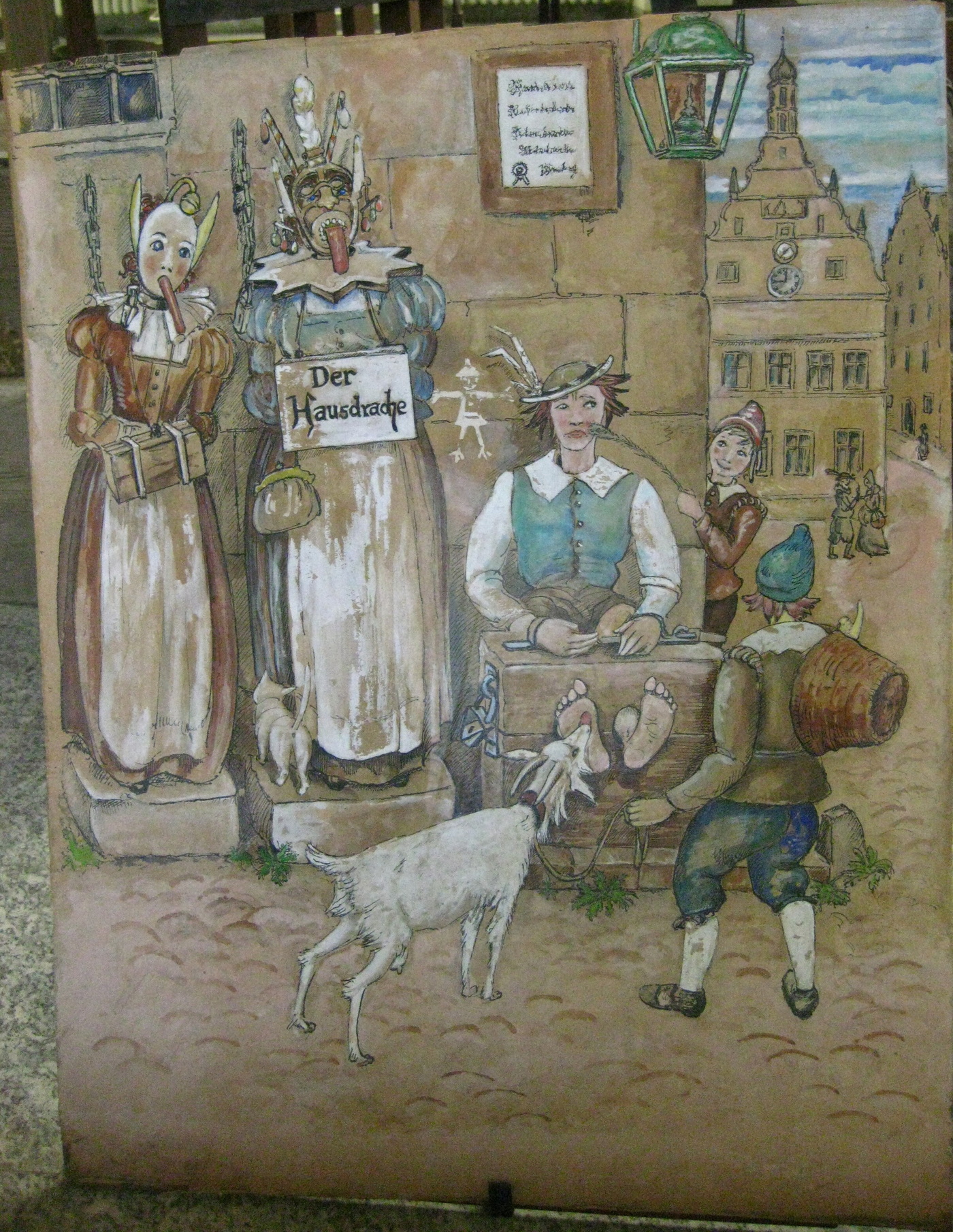
Premodern Japanese authorities sometimes imposed punishments outside the formal criminal code, called shikei, private punishment. One reported form was kusuguri-zeme (擽り責め), tickling used as torment. European lore has the so-called goat’s tongue: the victim’s feet soaked in salt water so a goat would lick them, then the process repeated. The method appears in the 1502 Tractatus de indiciis et tortura by the Italian jurist and monk Franciscus Brunus de San Severino. The treatise on the whole cautioned against torture. Whether the goat method was ever used systematically is unclear. The text may rest on hearsay or a witness report. The anecdote still circulates, including in a 2013 episode of the British quiz show QI.
An 1887 article, “England in Old Times,” described men sitting in parish stocks, legs fixed under a wooden yoke, while boys pulled off their shoes and tickled the soles. That is public mockery piled on legal restraint, a historical account, not sexual content about children. A 1903 report from Hudson River State Hospital described a suicidal patient tied to a bed for safety. Attendant Frank A. Sanders, reportedly drunk, tickled the patient’s feet and ribs, pulled his nose, and gave him a black eye. Institutional restraint plus tickling as amusement is what power looks like when the person cannot leave.
Vernon Wiehe’s book Sibling Abuse reports research with about 150 adults who had been abused by siblings in childhood. Several named tickling as physical abuse. On those accounts, abusive tickling can bring vomiting, urinary incontinence, and loss of consciousness because the person cannot breathe. That record is about harm. It is not erotica about minors. It also sets the floor for any adult scene that pushes duration or intensity: the “always harmless” story does not survive those outcomes.
Consensual scenes
In adult kink, “tickle torture” is scene slang for intense, prolonged erotic tickling under bondage. It is related to the non-consensual history and distinct from it. Partners may use stocks, cuffs, gags, predicament positions, and tools such as feathers, brushes, or electric devices, with power exchange and humiliating talk. The practice matches other sensation play. Agree zones and hard limits first. When laughter makes speech unreliable, use a safeword or a non-verbal signal. Watch breathing and panic, not only giggles. Stop at distress. Aftercare follows. Cross-read tickle fetishism, where lers, lees, and switches name the preference, and the physiology of forced laughter, which is not comedy.