In 1992 Madonna released her fifth studio album, Erotica. The title track and lead single, “Erotica,” was one of the most explicit sadomasochism songs then sitting in mainstream pop, and it functioned as the album’s opening statement. Madonna wrote it with longtime collaborator Shep Pettibone and Anthony Shimkin. Madonna and Pettibone produced it. In the song she takes on a dominatrix persona named Dita, orders a lover to submit, and puts pain and pleasure in the same bed. The persona was inspired by the German actress Dita Parlo. Together with the album Sex and a disputed music video, the single pushed mistress role-play, bondage imagery, and queer-coded sex into MTV-era public view.
From rough demos to a darker mix
That same year Madonna founded the multimedia company Maverick and made the Erotica album and the photo book Sex its first projects. She wanted a raw Harlem-alley feel rather than a glossy pop sheen, and she cut demos in Chicago and New York. The finished single went through numerous radical changes and four recorded versions before it locked into a darker, slinkier, grimier mix. The track was recorded on 8 June 1992 at Sound Work Studios, with Pettibone on sequencing, keyboards, and programming, and George Karras mixing.
Musically it continues the spoken-word erotic mode of “Justify My Love,” set to pop hip-hop dance, trip-hop loops, and Middle Eastern color. It samples Kool & the Gang’s “Jungle Boogie” and the Lebanese singer Fairuz’s religious text “El Yom ‘Ulliqa ‘Ala Khashaba.” The song is in common time, about 120 BPM, in F-sharp minor, with a vocal range from F♯3 to A4. Dita invites submission with “Give it up, do what I say,” and “Will you let yourself go wild” blurs the line between pain and pleasure. A harder companion piece made for the photo book, “Erotic,” was what Pettibone called an ode to S&M. It carries cage and rope lines that the radio single does not: “We could use the cage / I’ve got a lot of rope… Bend over baby, I’m going to make you smile.”
Charts, a lawsuit, and the split reviews
The single came out on 29 September 1992 in Australia and most of Europe. The U.S. street date slipped to 13 October after early radio leaks and cease-and-desist fights. It debuted at number 13 on the Billboard Hot 100, one of the highest debuts since 1970 at the time, and peaked at number 3. It was Madonna’s first lead single not to top that chart since 1983. It spent 18 weeks on the Hot 100 and went RIAA gold. It hit number 1 on Dance Singles Sales and on Dance Club Songs, her 13th number 1 on the club chart. It also reached number 1 in Finland, Greece, Italy, and on the European Hot 100 and European Dance Radio, with top-ten runs across much of Europe.
Fairuz sued over the sample, saying it had been used without consent. The case settled out of court, and both the single and the album were banned in Lebanon. Reviews split. Larry Flick in Billboard called it a sensual slice of aural sex. AllMusic treated it as one of her darkest and most interesting singles. Other critics called it short on novelty or just dull. As a pop move, the Dita persona arrived before Mariah Carey’s Mimi and Beyoncé’s Sasha Fierce, and it cleared the way for the softer SM pop lyrics that came later.
The banned video
Fashion photographer Fabien Baron directed the video, shot in August 1992. It intercuts Super 8 footage Steven Meisel shot for Sex with Madonna as a masked, gold-toothed dominatrix. The stated inspirations include Warhol and the Factory, and Kenneth Anger’s Fireworks. The clip shows topless lap-sitting, a kiss with Naomi Campbell, BDSM gear, nude bicycle riding, and appearances by Vanilla Ice, Big Daddy Kane, and Isabella Rossellini. Dominatrix scenes were shot at The Kitchen in New York, with other footage at the Hotel Chelsea and elsewhere. Grainy black-and-white editing gives it the texture of an old stag film.
MTV world-premiered it at midnight on 2 October 1992. Host Kurt Loder introduced the BDSM theme first. The channel then aired it only three times after the watershed and banned it outright, Madonna’s second MTV ban after “Justify My Love.” NBC and the Times Square screens also refused it. The Box played it and took it to number 1 there. MTV later restored full plays after midnight, with a disclaimer. Critics argued over whether it was video overkill or her most emotionally stark fantasy. Queer and feminist readings credited it with bringing bondage, group sex, and same-gender erotic touch onto mainstream television.
Four tours, parodies, and why kink listeners still play it
“Erotica” stayed in four Madonna tours. On the 1993 Girlie Show she opened as a short-haired, masked dominatrix in sequined black hotpants, with a riding crop. The 2006 Confessions tour used a Stuart Price remix and a Jean Paul Gaultier crystal unitard. The 2012 MDNA tour folded it into a medley with “Candy Shop,” including a bit where a dancer gropes her. The 2023–2024 Celebration tour restaged it as boxing theater. The backdrop nodded to her then-boyfriend and boxing coach Josh Popper, and the number ended with masturbation on a red velvet bed.
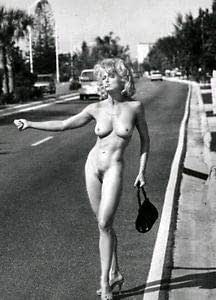
The song was widely copied and spoofed, including Ann Magnuson’s “Neurotica” pitch, Julie Brown’s parody, and Michael Musto’s nude-hitchhiking recreation. For BDSM listeners it is pop-scale femdom branding. Commanding lyrics, bondage images that stayed off the radio single, and a star large enough to force SM vocabulary onto Top 40 radio still make it a tense dominance track on a playlist.