
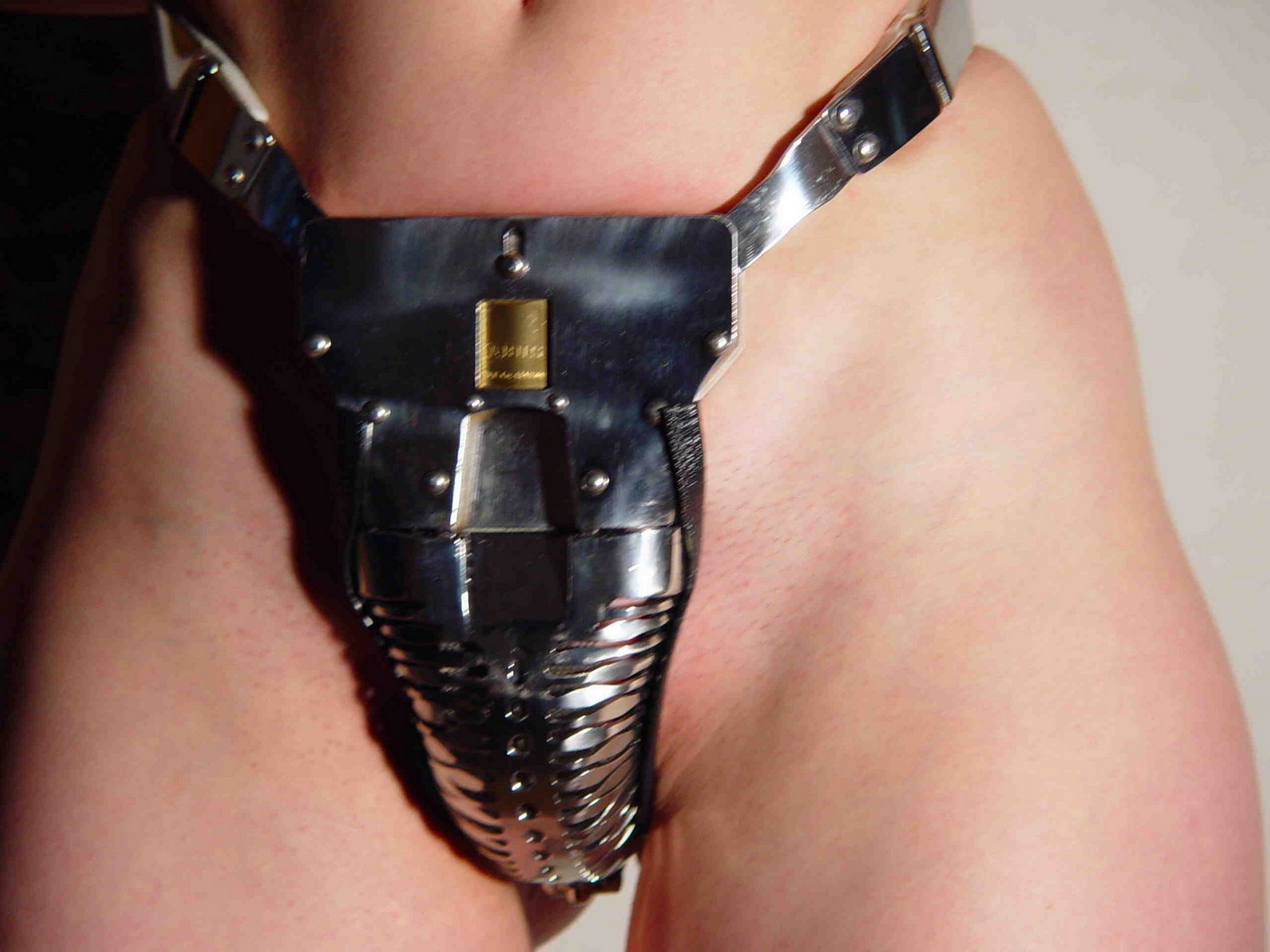
Erotic sexual denial is a common sex game in which one or both partners’ gratification is delayed or withheld on purpose, to raise arousal and tension. It shows up across light and heavy dominance and submission, and it can be done alone. Everyone involved is an adult who has talked it through. In a D/s setting the dominant is often encouraged to put their own pleasure first. The submissive gets off on supplying that pleasure, on being vulnerable, and on having orgasm and sexual access controlled. What is forbidden can be narrow or broad, short or open-ended: any act, position, or climax the person actually wants.
Edging, devices, and tie-and-tease
Edging keeps someone highly aroused without orgasm for a stretched period, and it often ends in a delayed climax. Classic orgasm denial does not promise that release. A chastity cage, a cock harness, or a chastity belt can block masturbation during the denial. None of those is required for tease and denial, but many people find they sharpen submission and the keyholder’s sense of power. Couples also use dice or other chance games to decide how long oral sex or penetration stays off limits. Denial is tightly tied to BDSM and bondage, and it is not exclusive to them.
Tie and tease is one of the core ways people do this. The person being denied is restrained, so the helplessness is stronger and they cannot finish what the top started. Sexual frustration sits on top of the helplessness of rope, cuffs, or other bondage, which makes the scene intense in the body and in the head. Negotiation usually focuses on which acts are allowed, delayed, or banned. Many couples treat the format as the center of denial play, not a side trick.
Ruined orgasms and what the body does
Tease and denial means stimulating someone until they are close, then stopping, and leaving them on that edge. If orgasm still arrives after the stimulation is taken away, it is often weaker than a normal climax. That is a ruined orgasm, which is not the same thing as a denied orgasm that never comes. Long denial without release can produce epididymal hypertension, commonly called blue balls, in people with testes, and a similar pelvic congestion in people with vulvas. Some scenes add constriction during the emission phase of ejaculation so semen does not come out, a blocked orgasm. Depending on the relationship, a person can be taken to the edge over and over with no climax. The stacked arousal and the psychological need become leverage, a reward, or plain sadistic entertainment for the dominant.
Total denial and a strap-on used as a block
Total sexual denial usually means avoiding genital stimulation of the penis or the vulva altogether. Physical barriers, chastity belts and cages of various kinds, are common tools. Arousal can still happen through other stimulation, fantasy, or contact with a partner, depending on the hardware and the rules. The point is not absolute numbness. It is control over how, when, and whether the locked person may touch, come, or use their body for sex.
A strap-on worn by a male partner can work as a denial tool. He can penetrate a female partner vaginally while being refused an orgasm with his own penis, often with a chastity device on as well. This is not pegging. Here the dildo replaces his penis rather than being used to penetrate him. Worn for the whole scene, it reads as total denial. Used only in foreplay, it is extended teasing. If he ejaculates quickly, the same tool can also keep penetration going so the receiving partner still gets a full scene while his orgasm stays under the rule.
Daily control, negotiation, and aftercare
Dominants use denial to deepen control. A submissive kept in sexual need and vulnerability is more likely to stay compliant. Talking back can be answered with more teasing, a longer lock-up, or some other punishment. Orgasm denial can spill into ordinary days: who may come, under what conditions, and after what service. It often sits inside a wider BDSM relationship, or is used to build one. The dominant is chasing the high of erotic power and sexual control. The submissive is chasing objectification, service, and the ache of being sexually owned. Denial can also train tolerance for stimulation, teach orgasm on command, hold a submissive in a chronic high-arousal state, or supply the erotic humiliation both people want. Humiliation often comes along with it: chores, cross-dressing, or fluid play, as punishment, as the condition for release, or simply because the keyholder feels like it. The same tools that withhold climax rewrite status. One person decides pleasure. The other waits for permission.
Denial can run for hours or for months. Negotiation needs a duration range, a definition of cheating (grinding on a pillow, toys, oral sex given only to the dominant), medical issues, and how release is requested or earned. Safewords still apply. A submissive in a chastity device who develops pain, numbness, swelling, or broken skin needs a way to be unlocked immediately, not a lecture about toughing it out. Aftercare on a long denial arc is more than a hug. It includes water, a skin check, an emotional debrief, and sometimes a planned soft-landing orgasm, so a hypersensitive body is not dropped straight into a free-for-all.
Related terms include coitus reservatus, cuckold and cuckquean dynamics, delayed ejaculation, female domination, forced feminization, forced orgasm, erotic humiliation, and extreme historical or literary forms such as eroto-comatose lucidity. Books players still pass around include Georgia Ivey Green’s A KeyHolder’s Handbook and Ultimate Guide to Tease and Denial, Ken Addison’s Around Her Finger, Lucy Fairbourne’s Male Chastity: A Guide for Keyholders, Elise Sutton’s Female Domination, Barbara Wright Abernathy’s Venus on Top, and Georgeann Cross’s Sexual Power for Women. Framed as one night of edging, a long-term cage, or a total lockout, the core is the same. Pleasure is a privilege someone else can grant, delay, ruin, or refuse, and that refusal is the turn-on. For readers here, denial is not a side fetish bolted onto bondage. When both people actually want the ache, it is a portable, scalable, and very effective form of erotic control.

![MMBD-02 Moe Bondage 2 Mao mania-0014 [Exclusive]](https://bdsmwild.com/wp-content/uploads/2026/09/MMBD-02-mania-0014-Exclusive.jpg)