
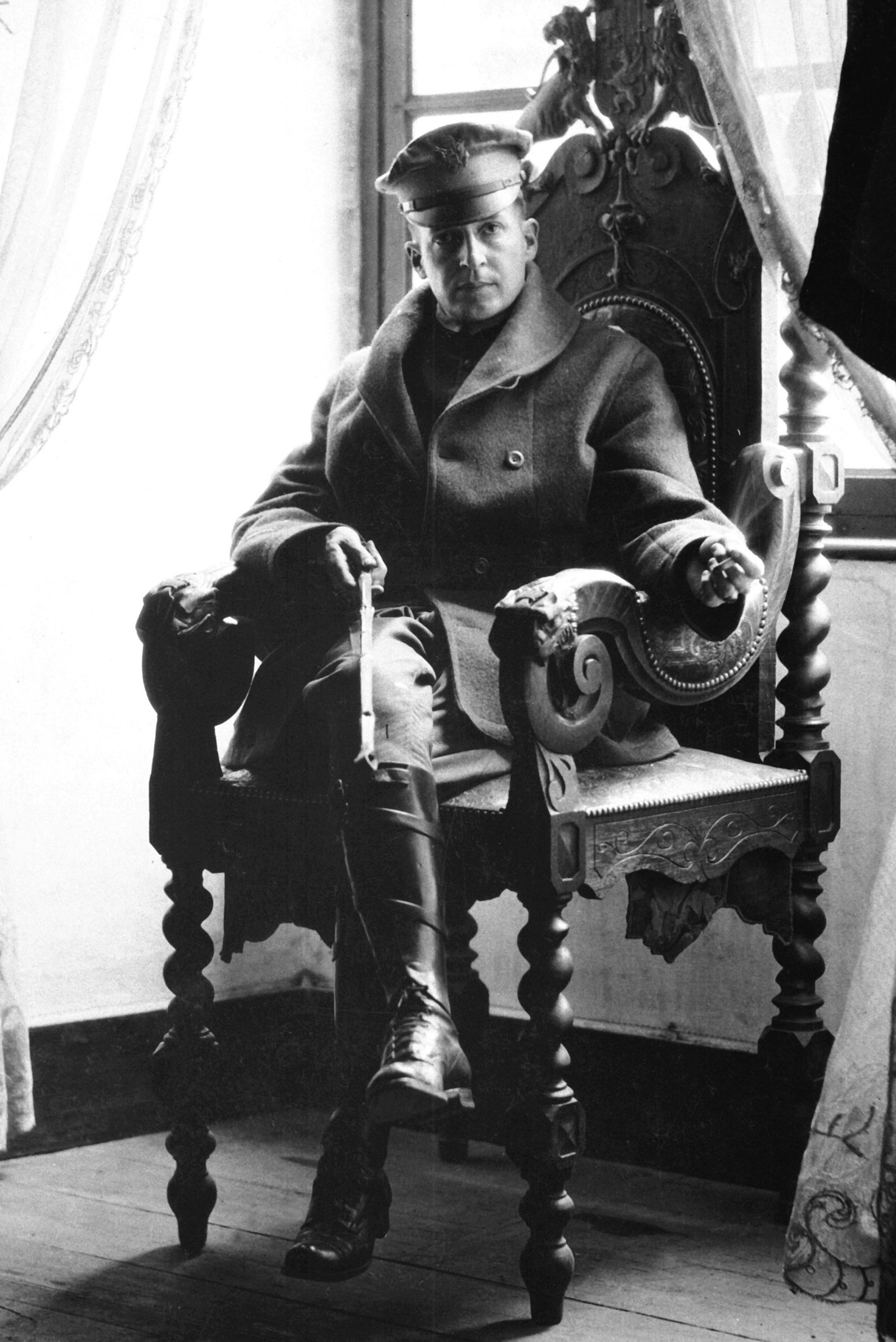
A crop, also called a riding crop or hunting crop, is a short whip with no long lash. It belongs to the family of riding aids, tools a rider uses to make a signal clear to a horse. In BDSM the same object is widely used for impact. Used well on a horse, it backs up communication. Used badly, it is just abuse. In kink, a fast wrist flick gives a sharp, localized sting. The players in that use are consenting adults.
A modern crop is usually a long fiberglass or cane shaft wrapped in leather, fabric, or something similar. One end thickens into a handle. The other thins into a flexible tip called the keeper, wound cord or a leather tongue. The keeper is there so a bare rod does not mark skin as hard. The handle may have a leather loop for grip, or a mushroom knob so it does not slip through the hand. Length is a lever: enough for the wrist to accelerate the tip, not so long that a rider loses balance. A true crop stays relatively short.
Whip is the wider everyday word. It covers crops and also longer horse whips used in the saddle and on the ground. A whip is a little slower, mostly because it is longer and softer. In shops and in scene talk, crop usually means the short leather-wrapped stick with a keeper, and whip means a longer single-tail or a dressage tool. Catalogues mix the labels. Check length and the tip, not the name on the page.
In riding, the crop backs up the natural aids — leg, seat, and voice. It is not there so the horse can be hit for failing a wanted movement. Positive punishment, written +P, means adding an unpleasant stimulus when a behavior happens or does not. It has not been shown to train horses successfully. It has serious welfare costs and can feed learned helplessness. Responsible use is a light, timely cue, not a vent. A dressage whip is an actual whip, longer than a crop, up to about 110 centimeters (43 inches) including the lash or popper, so a rider can touch the horse’s side while both hands stay on the reins. A hunting whip is built for other jobs: a hook for gates without dismounting, and a long leather thong to keep hounds off the horse’s legs. A lot of BDSM “hunting crop” branding ignores those differences. Many dungeon crops are short impact toys, not gate-hook hunt tools.
Crops show up as weapons in fiction and in older sales. In the Sherlock Holmes story “The Adventure of the Six Napoleons,” Holmes carries a loaded hunting crop. Loading means the shaft and head were filled with heavy metal such as steel or lead, so the stick had heft. A short stiff rod can be sporting gear and an impact weapon at the same time. That matters when partners treat a crop as a real toy rather than a costume prop.
In negotiated impact play the crop is fast sting and easy wrist control, and it sits in the classic dominatrix silhouette. The short length suits fleshy targets such as buttocks and thighs once intensity, warm-up, and marks have been agreed. Around 1925 the art-deco sculptor Bruno Zach made “The Riding Crop,” a scantily clad dominatrix with a crop in her hand. The object was already erotic iconography a century ago. Related tools include the quirt and the wider family of whips.
Pick a length you can actually control. Check the keeper and the shaft for cracks. Agree on target zones and on whether welts are acceptable. “It was made for horses” is not a safety certificate for human skin. Nerves and kidneys are not a horse’s flank. Stay off the spine, kidneys, joints, and face unless you have specific training and explicit consent for that edge. After stingy crop play, lotion, photos of marks if you want them, and water are ordinary aftercare. Stable aisle, Zach’s sculpture, a Holmes story, or a toy bag: it is still a short shaft, a keeper tip, and wrist-speed impact. Skill and consent do not drop out on the way from one of those places to the other.
![[Art Video] 2041 Finale Wild Dance Kana Sakaguchi](https://bdsmwild.com/wp-content/uploads/2026/08/Art-Video-2041.jpg)