Nobuyoshi Araki (荒木経惟), the Japanese photographer and contemporary artist born in Tokyo on 25 May 1940, is a name BDSM and fetish readers do not get to skip. After he finished film and photography at Chiba University and went into advertising, he folded street watching, ad craft, and private life into a diary-like way of seeing. For him, rope, nudity, and emotion are not separate pieces. They are how Japanese SM aesthetics get pictured. The work is prolific and split: it sits between the museum and the pornographic edge, and it keeps Tokyo street desire direct.
Readers who follow kinbaku and nudes meet more than pictures. The load is emotional. The 1971 book Sentimental Journey, and the long project usually called Sentimental Journey 1972–1992, are a visual diary of his life with his wife, Yōko Aoki. Early frames are the honeymoon. Later ones stay with her through ovarian cancer. The photographs from her sickbed were gathered as Winter Journey. Tokyo Lucky Hole, shot from 1983 to 1985, records the sex-trade streets of Shinjuku’s Kabuki-chō without dressing them up. One pole is private feeling. The other is urban sex. Together they are a main reference for how kinbaku and eros moved from underground print into work signed as art.
His camera does not treat bondage as a technique demo. Rope is atmosphere and a graphic line. Sweat and tears sit in the frame like weather. The outline of the rope shares the picture with Tokyo’s death and desire. That way of seeing is in the books, and it shows up in the early films. In 1981 he directed the Nikkatsu roman porno High School Girl Fake Diary (女高生偽日記). Araki’s own followers and the pink-film regulars were both disappointed. The title is the record here; this article does not open the plot. He also shot stills for the anime Brain Powerd, and he photographed the cover of Björk’s album Telegram and work with Lady Gaga. The look crossed into pop.
The power behind the pictures got harder to ignore as the name got larger. He said outright that sex was how he got intimate access to models. The fight over that stance broke open in 2018. The model Kaori posted that from 2001 to 2016 he had exploited her financially and artistically: no real contract, explicit shoots forced in front of strangers, irregular pay, and nude images reused without consent. She described the psychological injury, and she said he had warned her she had no right to stop the photographs being published. In kink circles that take consent seriously, the post landed. Angry Asian Girls Association protested at the C/O Berlin show and asked the public to hear the person in front of the lens. The question is plain. When staged power collapses into real coercion, does the genius label excuse a rough process?
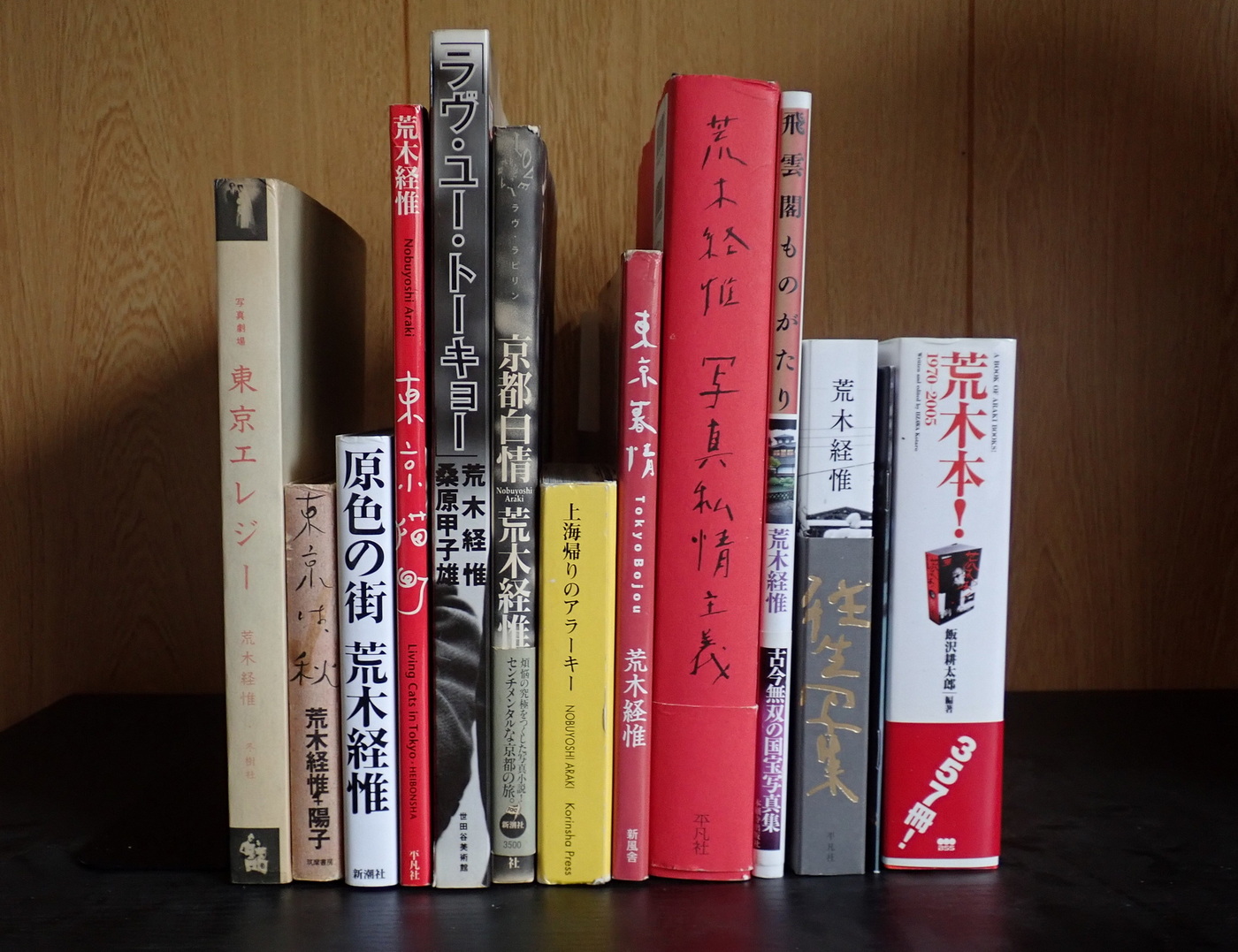
The pictures did not leave the museums. Honors run from the 1964 Taiyō Prize for photo reportage to the 2012 Mainichi Art Award. Public collections include the Israel Museum in Jerusalem and Tate in London. Books such as Zerokkusu Shashincho, Shokuji, and Taschen’s Araki by Araki keep the material in print. For BDSM photographers and kinbaku models working now, Araki is a complicated predecessor. He showed what rope can do as a line. He is also a warning about how power works behind the camera. Looking at the form means holding the craft and the consent in the same hand.