
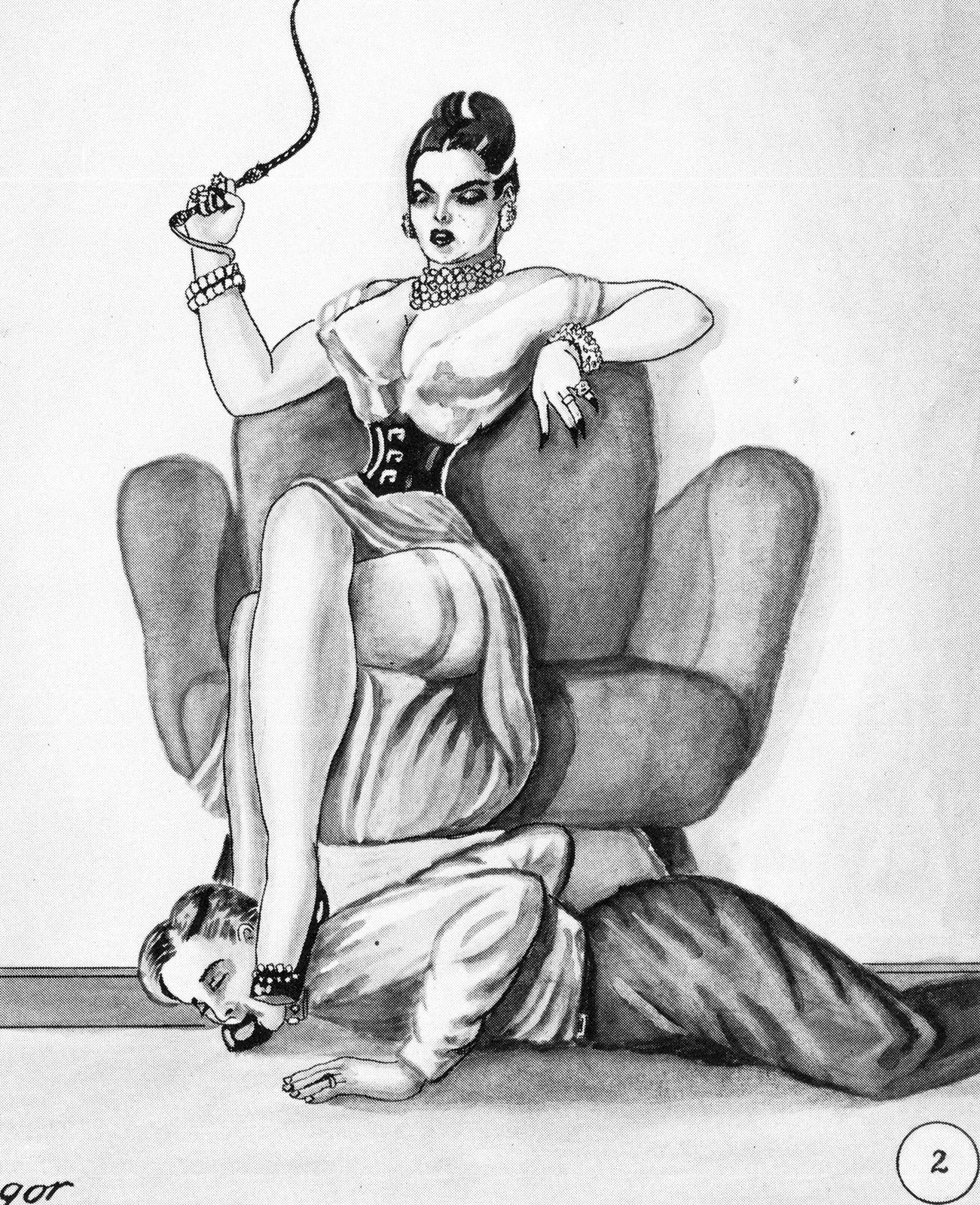
Foot fetishism, also called foot partialism or podophilia, is a pronounced sexual interest in feet. In BDSM and fetish circles, feet are not a side note. They are the body-part fetish people discuss most. Around that preference sit shoe fetishism, footjobs, worship, trampling, and olfactophilia, an interest in scent. For adults who have agreed to it, feet can be the center of sensation and also a place where feeling and power exchange meet.
What draws people
The attraction can be a still image or something done together. Visually, people fix on shape, size, the sole, the toes, or jewelry such as toe rings and anklets. What is on the foot matters too: barefoot, flip-flops, boat shoes, ballet flats, sandals, high heels, clogs, stockings, or ordinary socks. Different textures suggest different things. The hands-on side includes massage, washing, and painting toenails, plus rubbing, smelling, tickling, licking, kissing, and rubbing genitals against the foot.
Scent is a large part of it. A 1994 study found that 45% of people with a foot fetish were aroused by smelly socks or smelly feet, which makes feet a very common target in olfactophilia. Foot fetishism also sits close to shoe fetishism, sock fetishism, scent fetishism, and tickling. Sigmund Freud read Chinese foot binding as a form of fetishism. Many later writers disputed that reading.
How common, and when clinicians call it a disorder
Foot fetishism is common enough to matter, and nowhere near universal. In 2006, University of Bologna researchers looked at 381 online fetish-group discussions involving at least 5,000 people. Body parts, and objects tied to body parts, were the most frequent fetish categories. Among body-part preferences, feet and toes were first, at 47%. Among object preferences tied to body parts, footwear was 32%. Sex educator Ian Kerner has called foot fetishism the most common body-related sexual fetish. In August 2006, when AOL released subscriber search data, feet ranked first among phrases containing “fetish.” A 2017 Belgian poll pointed the same way: 17% of men and 4% of women said they had a fetish interest in feet. The interest is real, and men and women do not report it at the same rate.
Clinically, a fetishism disorder means fantasies, urges, or behavior involving feet last at least six months, cause significant distress or impairment, and are not limited to ordinary clothing or to devices used only to stimulate the genitals. Most people who eroticize feet are in the range of an ordinary preference. They are not in distress, and they are not impaired.
Theories, and what history actually shows
There is no settled cause. The ideas in circulation are guesses. Neuroscientist V. S. Ramachandran suggested cortical adjacency: feet and genitals sit next to each other in the somatosensory cortex, so crosstalk might eroticize feet. Desmond Morris leaned toward early imprinting, tactile pressure from a foot or shoe sexualized too early. Freud and Otto Fenichel tied foot fetishism to the castration complex. Freud stressed smell and the foot as a penis symbol. Fenichel thought that if fear of the female body is strong enough, desire may stop at women’s shoes. Georges Bataille treated the draw of feet as anatomical “baseness.” None of that is a lab result.
Some researchers guessed that interest in feet as a sex object rises during sexually transmitted infection epidemics. A. James Giannini’s work noted an increase during the twelfth-century gonorrhea epidemic in Europe and during syphilis waves in the sixteenth and nineteenth centuries. Across a thirty-year window overlapping the AIDS era, foot-fetish content in pornographic literature rose. The same work noted that those periods also overlapped relative female emancipation, so causation is muddy. Even so, the idea that feet are lower-risk play keeps turning up in later talk about non-penetrative safer sex.
Culture and what people actually do
The interest is old. Early literary traces include the poems To a Barefoot Woman and To a Barefoot Boy, attributed to the ancient Greek writer Philostratus. The eighth-century Hindu text Skanda Purana has the god Brahma aroused by the sight of Parvati’s feet. Modern books include Havelock Ellis’s Studies in the Psychology of Sex and William Rossi’s The Sex Life of the Foot and Shoe.
In practice the range is wide, from soft worship — kissing, massage, painting nails — to hard domination: trampling, kicking, forced sniffing, dirty soles. It pairs easily with bondage that holds the feet still for tickling or forced attention, with heel fetish, stockings, and financial domination built around a shoe budget. Hygiene, fungus or injury, how much weight trampling puts on a torso, and whether odor play is wanted all have to be agreed. Foot fetishism connects to footjobs, shoe fetish, scent play, and body partialism more broadly.


![[Art Video] 2002 Beautiful Big Tits Maso Club Akane Aoi Yu Shiraishi](https://bdsmwild.com/wp-content/uploads/2026/08/Art-Video-2002.jpg)