A chastity belt is locking clothing meant to block intercourse, masturbation, or both. Pop culture still draws it as iron underwear a Crusader locked onto his wife, a prop for enforced chastity or for keeping temptation off. Serious history does not have the objects to back that medieval myth. Credible belts do not show up before the fifteenth century, and the fifteenth century is already after the last Middle Eastern Crusades. The main period of apparent use falls in the Renaissance, not in the Middle Ages people picture. Real use before the sixteenth century was rare at best. Most of what museums have displayed as medieval relics are nineteenth-century fakes, or medical devices built against masturbation. Wearing metal against the body for a long unbroken stretch brings genitourinary infection, abrasive wounds, sepsis, and death. If Renaissance belts were worn at all, they supposedly needed padded linings changed often, so large metal surfaces did not sit on skin without a break.
Metaphor, then medical restraint
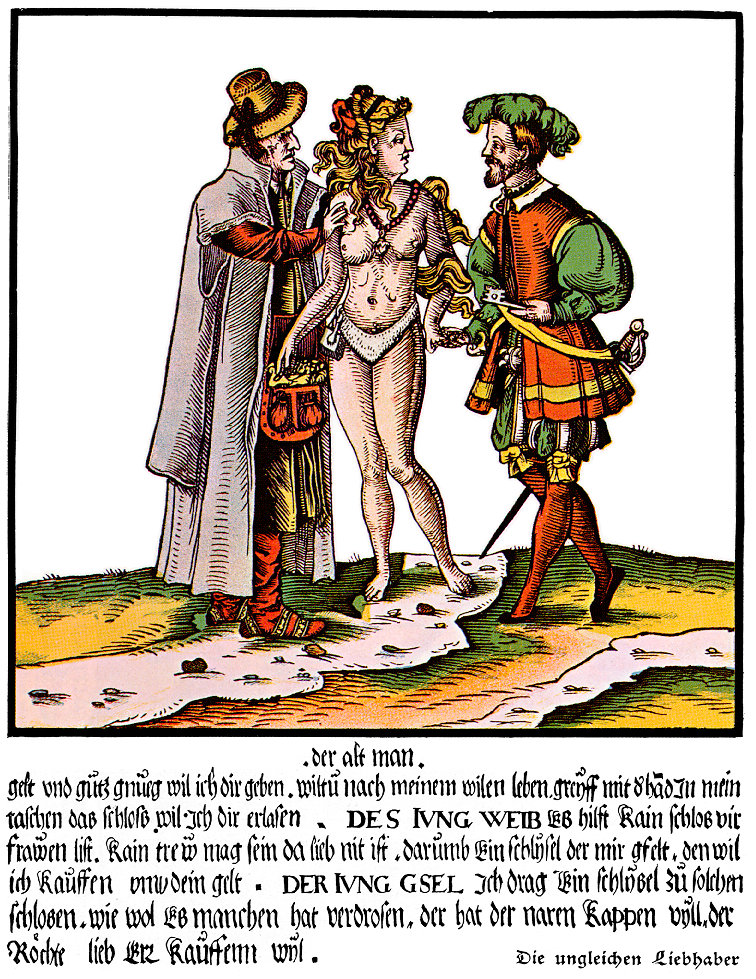
In Western writing before the fifteenth century, Gregory the Great, Alcuin of York, and others use “chastity belt” as a moral metaphor, not as hardware. The earliest detailed Western description that can be read as a real device is in Konrad Kyeser von Eichstätt’s 1405 military technology book Bellifortis: a drawing of hard iron breeches worn by Florentine women. Nothing else corroborates the plate, and the device is clumsy and heavy, with little in common with later models. Eric John Dingwall later wrote stories of rich sixteenth- and seventeenth-century husbands locking younger wives. Those stories should be read skeptically. Period objects are scarce and the archival trail is thin. The infection risk of long wear also knocks down the fairy tale of a wife locked for years while her husband was away at war.
The belt becomes a physical object in the medical record from the eighteenth century into the 1930s. Masturbation was treated as a health threat. Medicine produced belt-like restraints for women and girls, minors and adult women both. This is a history of medical coercion, not a sex toy. The U.S. Patent Office filled with anti-masturbation designs until psychiatry dropped the idea that masturbation was madness, and the devices tapered off. Some nineteenth-century working women may have used shield-style belts for short periods against sexual assault at work. Before stainless steel, hygiene made continuous wear unrealistic.
Fakes on display, then consensual kink
In 1889 the collector Anton Pachinger reported a leather-and-iron belt on the skeleton of a young woman in Linz, which he dated to the sixteenth century. Town archives had no burial record to match it. The belt disappeared in the chaos after the First World War. Two famous belts once shown at the Musée de Cluny in Paris, one attributed to Catherine de’ Medici and one said to have been Anne of Austria’s, are dated by contemporary historians to the nineteenth century. Similar pieces were shown in Nuremberg and at the British Museum in London. Most have been taken off display. They read as props of fantasy more than as relics of practice.
The modern belt has a different life. In consensual BDSM it is a tool of orgasm denial and ownership. A keyholder decides when the wearer may touch, fuck, or come. Materials run from cheap leather and plastic to high-security stainless steel. The internet built subcultural forums and anonymous shopping. Male cock-and-ball trap cages now come in more varieties than women’s full belts. The practice is negotiated power exchange between adults. Long-term wear needs a path for urine, and for defecation on a full belt, plus skin checks and a plan for emergency release. Forced locking, such as workplace rules in Rajasthan or a spouse forcing a belt on at airport security, is coercion. It is not romance.
Film gags and news items
Film and television keep polishing the myth. Robin Hood: Men in Tights puts a silver Everlast belt on Maid Marian (Amy Yasbeck). In The Cage, Nick crosses a border in a pink device. Meet the Spartans hides a gold belt under Margo’s dress. The Love Guru uses a metal elephant-head belt that trumpets when the wearer gets hard. In Mad Max: Fury Road the Five Wives strip their belts off after they escape. These uses signal patriarchal control, sex farce, or dystopian ownership. They are not careful history.
The news file is long. In 1981 Gloria Allred presented California Senator John G. Schmitz with a chastity belt during his anti-abortion hearings. After anti-Chinese riots in West Java in 1998, sellers pushed short-wear anti-rape corsets. In 2002 a diamond-and-pearl gold belt worth about 160,000 rand was delivered in Cape Town as a wedding gift. In 2003 a woman’s steel belt set off security at Athens airport; she said her husband had forced it on her to stop affairs. In 2006 Lucio Valentini’s MedioEvo iron belts made world papers, medieval branding running ahead of any proof of medieval use. In 2008 Batu, Indonesia, required masseuses to lock belts on shift. In 2010 a polypropylene PABS belt in Louisiana, sold for pet anti-breeding, drew ASPCA opposition. In 2012 a man showed up at Changchun World Sculpture Park in a homemade belt, looking for a wife. The symbol keeps circulating in politics, fashion, and ordinary news, well past any function as underwear.
Myth, medicine, and a negotiated lock
Read Albrecht Classen, Eric John Dingwall, and Massimo Polidoro and the belt sits in a cluster with modesty dress and vows of sexual abstinence. Iron hardware is not required for the idea. For adult readers the split is plain. Locked medieval fidelity is mostly a story. Victorian medical control was real and harsh. A modern consensual belt is power exchange made possible by better metal, internet forums, and adult retail. The Crusader tale lasts because it is easy to tell: a jealous knight, a locked lady, iron as proof of fidelity. It flatters audiences who like feeling superior to the Middle Ages, and it hands comedy a prop. What fetish retailers sell as medieval-style steel is costume history, not archaeology. From stainless steel and plastic travel seals to online events such as Locktober, the belt has moved out of medical panic and into adult culture as a symbol people actually use.