
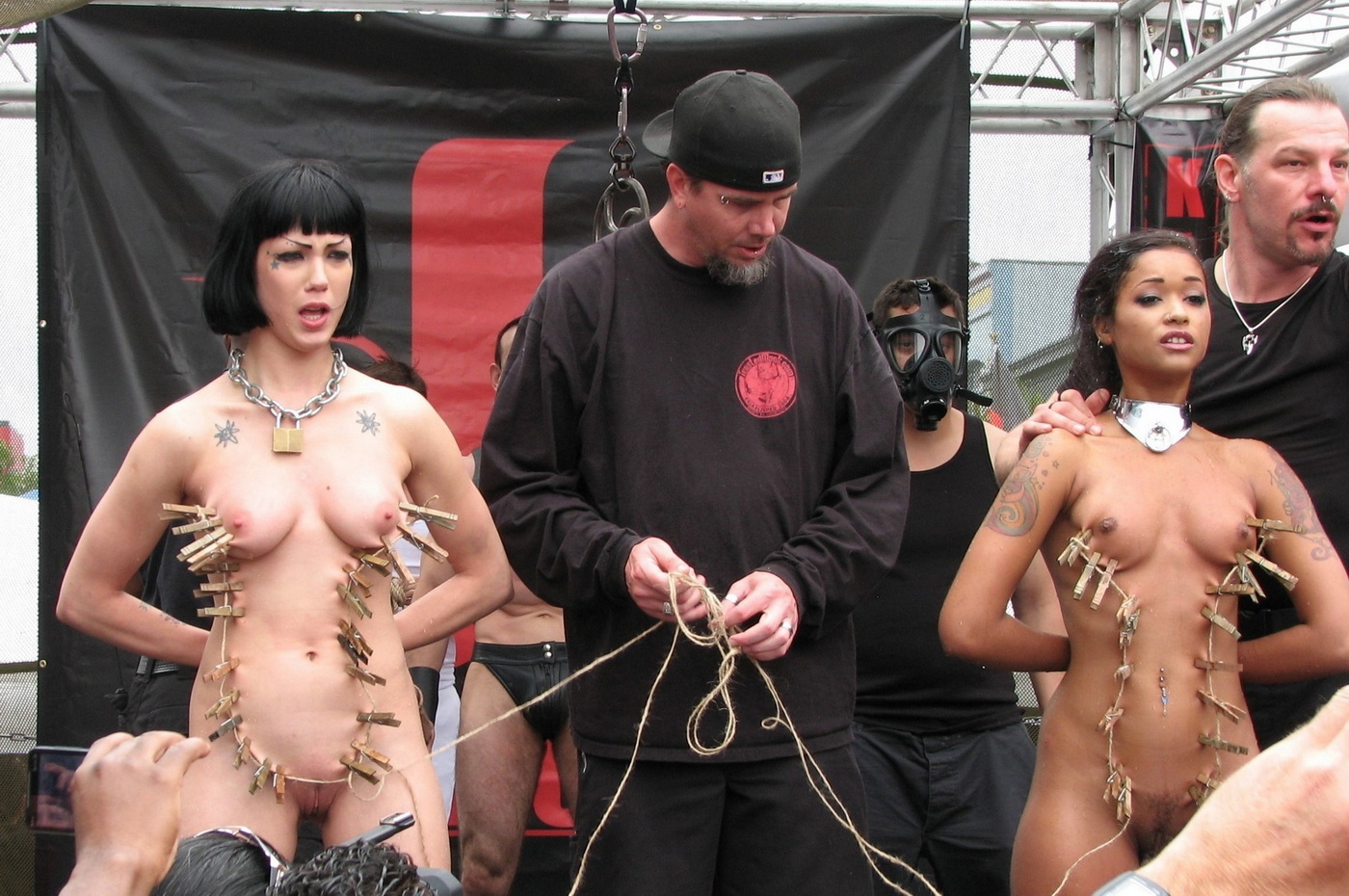
Male dominance, or maledom, is power exchange in which the dominant is a man. He may be a life partner, a casual top, or someone doing it for pay. A ProDom is a professional male dominant in the sex industry. He is less stuck in one public image than the pro-domme, and the work is still real labor. A Daddy Dom plays a paternal role and mixes rules, caretaking, discipline, and erotic control. Titles in use include Dom, Master, Owner, Sir, Taskmaster, Corporalist, Boss, and Top. Some men only take the lead for a single scene. Others run a 24/7 protocol. Intensity depends on how good the consent is, not on how many hours the collar stays on. The people in it are adults who have agreed.
What the scenes actually use
Maledom draws on the wider BDSM toolkit and puts a masculine authority figure in charge. That can mean worship of cock, ass, and feet; fellatio and irrumatio; tease and denial; orgasm control and forced orgasm; spanking, caning, and whipping; torture of breasts and genitals; verbal humiliation, face slapping, and hair pulling; wax, spitting, and golden showers; negotiated “forced” chastity; and clothed male, naked female, usually shortened to CMNF. Those techniques often get packaged with boots, a commanding voice, Master/slave titles, or Daddy protocols. Women and non-binary dominants use the same techniques.
The surveys do not agree
The numbers depend on who was asked. A 1995 study reported that 71 percent of heterosexual men preferred a dominant, initiating role. A 2015 study of German men who were active in BDSM found only 29.5 percent preferred dominance, 24 percent were switches, and 46.6 percent preferred submission. A 2017 Colorado survey suggested men more often label themselves Dominant, Master, Top, or Sadist, and that they do take dominant roles. Outside kink, many men still picture themselves as the one who starts things. Inside dedicated BDSM populations, male submission is common. A percentage is a group trend. The agreement you make is with the person in front of you.
Books, films, and the practical shelf
Maledom runs through fiction from Story of O to John Norman and Adrian Hunter. The literary line is usually traced to the Marquis de Sade: stories of men torturing other people fed the word sadism. It is also a growing genre in adult film. The first volume of E. L. James’s Fifty Shades series sold more than 100 million copies and pushed a rich male dominant into the mass market. As sex education, that image is uneven. People who actually practice still keep John Warren’s The Loving Dominant (Greenery Press, 2001, ISBN 1-890159-20-4) and Jack Rinella’s The Master’s Manual (Daedalus, 1997, ISBN 1-881943-03-8) on the shelf. Nearby topics include cuckquean dynamics, D/s in general, the dominatrix, female submission, gender roles in kink, and male submission.
Authority is not a free pass
Male dominance is one gendered way of arranging power exchange. It is not the definition of BDSM. Done well, it is authority you both agreed to, plus responsibility for the safety you agreed to. Done badly, privilege gets treated as if it were the role. The difference is skill, consent, and accountability. That holds for one bedroom scene, a paid ProDom appointment, or a long-term Master/slave household with a written protocol. Adults who want a man in charge still need limits, a safeword or a safe signal, a realistic sense of what the toys can do, and aftercare that matches how hard the scene was.
![SDDM-175 Beautiful Girl Bondage Drama Mark of M 6 -Fragrant Young Lady- Nanami Nanase [Exclusive]](https://bdsmwild.com/wp-content/uploads/2026/09/SDDM-175-Exclusive.jpg)
