Diaper fetishism, called nappy fetishism in British English, is a garment fetish. The charge comes from wearing or using diapers, on yourself, on a partner, or on both. It can stand alone, or it can braid together with adult infantilism, omorashi (the need to pee, the hold, the wetting), and BDSM. When the diaper interest and ageplay travel together, the usual umbrella is adult baby / diaper lover, shortened to AB/DL. For kink readers this is not medical-incontinence cosplay by default. It can be multisensory gear, a comfort ritual, a humiliation prop, or a caregiver protocol, depending on what the people involved want. Everyone in it is an adult who has agreed. Ageplay means adults acting. It is not contact with minors, and a diaper on an adult is not evidence of predatory intent.
Adults who wear diapers for pleasure rather than for a medical need or for simple convenience often call themselves diaper lovers, or DLs. Motives differ. Some use the diaper to create or intensify arousal. Some want nonsexual comfort, relaxation, nostalgia, or the feeling of being cared for. Many get both. Strictly speaking, “diaper fetishism” names the sexual branch, and there is no single correct script. Kept private, consensual, and non-harmful, it is ordinary kink, not a clinical crisis.
What the senses are doing
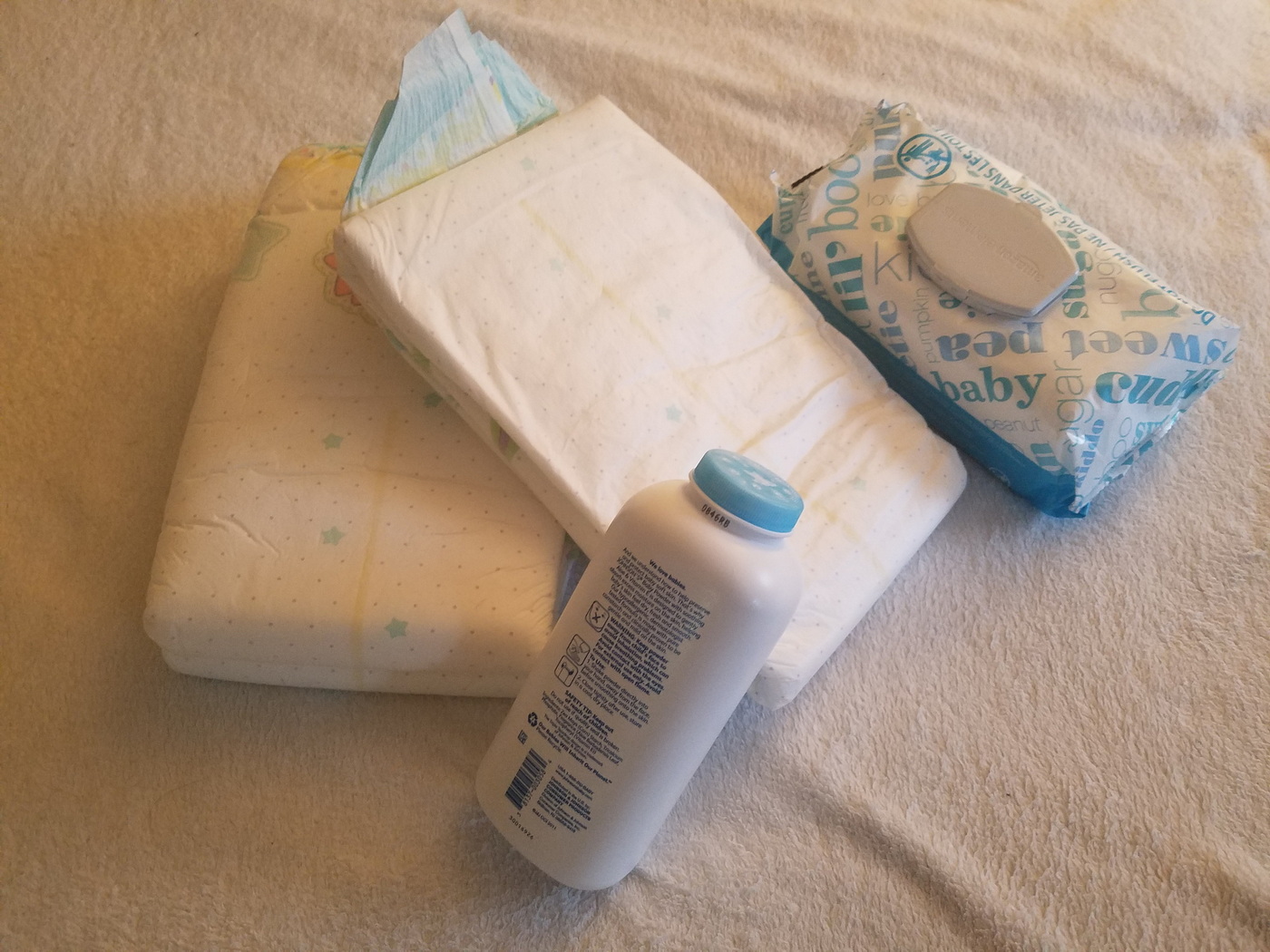
Wearing a diaper is often a hit on several senses at once. Touch is soft bulk and squash. Sight is an adult body in a diaper. Sound is the crinkle of the plastic. Smell can include powder, wipes, urine, and feces. Any one of those channels can be enough. Some DLs stay dry. Others get more charge from wetting or messing. Some load the polymer core with water or another liquid to fake a used feel. Play can be solo or with a partner. Some people keep it in private scenes. Some try 24/7 wear under street clothes. Most of the AB/DL world claims safe, sane, and consensual practice, and dumping an unwanted sight or smell on bystanders is treated as bad manners. Discretion is part of the etiquette.
DL, AB, and the messy middle
Diaper lovers are often filed with adult babies (ABs) under AB/DL. The classic split is that a DL’s erotic object is the diaper itself, while an AB uses the diaper as an ageplay prop, to feel or present as a child. In practice the line smears. A self-described DL may accept light ageplay. A self-described AB, little, or middle may care only mildly about the diaper. “Child,” “little,” and “middle” here are roles played by adults. As ageplay became more visible in kink spaces and less automatically treated as pathology, a market grew up around it: adult-sized cloth and disposable diapers, childish clothing cut for adult bodies, and accessories sold worldwide. The shops moved out from specialty forums into sex shops and ordinary online retail. Less often, diapers show up in ageplay that casts an adult as an older person who needs care. The players are still adults.
Omorashi, and where BDSM uses the same gear
Omorashi, from the Japanese for wetting oneself, is the global shorthand for a branch of watersports built on desperate need, holding, and the chance of wetting clothes or the bed. When the container is a diaper, fans say omutsu omorashi (おむつお漏らし), and less often oshime omorashi (襁褓お漏らし). That is why diaper fetish and desperation kink so often share shops, tags, and partners. In BDSM a diaper can be a passive convenience during long bondage, because the bound partner cannot reach a toilet, or it can be the point: bathroom control, restricted movement, diaper punishment, erotic humiliation. In caregiver/little (CG/L) dynamics it often functions as protocol gear. Those names are roles between adults. Rubber and plastic fetishists may care about the crinkle, or about latex or PVC pants worn over a cloth diaper, as a second-skin fetish rather than as an ageplay story.
What the products are built to do
Adult-diaper makers have noticed the fetish buyer. ABDL diapers tend toward higher absorbency and bright, playful prints. Medical incontinence products lean toward pull-ups that look like briefs and do not announce themselves. Fetish products usually keep tape or tab closures and put absorbency, looks, feel, sound, erotic use, and nostalgia first. Features can include a plastic backing chosen for the crinkle, hook-and-loop tapes that can be refastened, wetness indicators, and scent. The community also has adult cloth diapers, covers, and training pants, but tabbed disposables still dominate. Medical diapers sit in pharmacies. Fetish lines sit online, at lifestyle conventions, in specialty stores, and in some sex shops.
Diagnosis, stigma, and a bad public story
Like other atypical sexual interests, diaper fetishism is not automatically a mental disorder. DSM-5 separates a paraphilia, an unusual interest, from a paraphilic disorder. The disorder label wants personal distress that is more than social disapproval, or dysfunction, or people who did not consent. The American Psychiatric Association notes that most people with atypical sexual interests do not have a mental disorder. DSM-5 dropped DSM-IV’s specific mention of forced diapers, part of a wider move to stop treating consensual paraphilias as illness by default. Private, consensual diaper play is variation, not a disease. A 2015 Huffington Post interview framed it as obscure private behavior. Stigma still depends on the place. In South Korea, a Naver café devoted to diaper fetishism closed around September 2010 after hostile coverage. The group Girl’s Day was accused of “diaper fashion” when costumes looked like oversized diapers. The aesthetic is easy to swing as an insult, and that episode was about adult idols’ clothes, not about minors. Elsewhere, AB/DL communities answer the claim that an adult in a diaper equals predation or pathology with munches, online shops, and explicit consent norms.
What partners actually have to settle
Partners need to say whether wet or mess is in, what the public risk is, how disposal and laundry will work, and whether ageplay language is required or forbidden. Separating a medical need from a fetish keeps care labor from getting mixed up with scene labor. In D/s, diaper punishment and toilet control need hard limits around health, infection, and aftercare. In CG/L, people agree on when little space ends. Discretion in a shared house and on the road protects everyone else. Solo play can be as simple as changing into a preferred brand, putting on porn or a comfort object, and sitting in the bulk and the crinkle. Partnered play adds the change ritual, the order of the scene, the script, and who controls the ordinary toilet. Couples who like desperation may set a timer or a fluid rule before going out, and finish with a controlled wet at home rather than an accident in public. People trying 24/7 under clothes learn about rustle in a quiet office, bulk under fitted trousers, and disposal in a shared bathroom. The etiquette is blunt: if a stranger can smell or see your kink without opting in, you have left SSC. That rule is what lets AB/DL events work. Display stays inside the venue. On the street it stays covered.
How the gear changed, and what the panic gets wrong
Fetish users used to adapt hospital and geriatric products. ABDL-specific brands flipped the brief: cartoon prints, high-capacity cores, plastic outer layers chosen for sound, tapes that do not tear when reopened. Cloth options and rubber pants serve people who care about laundry or about the pants themselves. Sex shops putting this gear next to restraints and collars treat the diaper as fetish equipment, not as a medical leftover. Mainstream retail lowered the shame barrier and created new privacy problems, including parcels in a shared household and ads the algorithm will not shut up about. Conventions now have gear vendors, which is one sign the niche has infrastructure. Public panic still flattens the whole thing into a “grown babies” joke or a false link to pedophilia. Community educators keep the distinction sharp: ageplay between consenting adults is not contact with minors. The DSM-5 split helps clinicians avoid pathologizing people whose fetish is not hurting them. Sympathetic interviews, the Korean café shutdown, and costume fights aimed at pop idols all show how fast the look becomes a weapon. Inside kink spaces the healthier answer has been clearer consent, better product labels, and a refusal to let medical incontinence patients and fetishists mock each other with the same stereotype. A diaper is a garment fetish. AB is a role. DL is a focus on the gear. BDSM is the power laid on top. Omorashi is the clock on desperation. Pick the cells that match, negotiate the rest off the table, and leave the bulk, the tape pull, the powder, and the release in a room full of people who said yes.