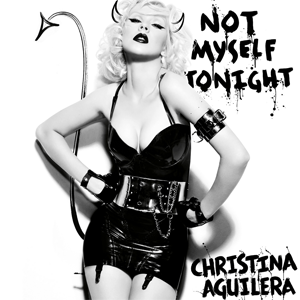
Not Myself Tonight, the electropop single from Christina Aguilera’s 2010 album Bionic, is not her best singing. It is the most concentrated S&M broadcast she put out. Polow da Don produced it at 120 BPM in G minor, with her voice running from G3 to D5. It is not a negotiation. It is a night pass: tonight you can lose control, put on the costume with the leather tail, and be the girl who is not herself. For readers who watch BDSM and fetish images, the useful part is not a new kind of song. It is 2010 major-label pop packing dungeon looks that had already been around for decades into high-fashion footage an Oprah audience could sit through.
The single comes out of a commercial reset and a new artistic self. After the baby, Aguilera used Bionic to show an electronic version of herself. She wanted the electronic grain she had been listening to while pregnant, something she called fresh and sexy, organic mixed with electronic. The writers, Aguilera and Ester Dean among them, built a costume change and called it a personality change. The old self leaves. A new one walks in. If you don’t like it, fuck you. The chorus line “I’m not myself tonight” is not a medical claim. It is a mask swap. The only body in the lyric is kissing boys and girls. The rest is implied power: drop control, put on someone else. The same year, Rihanna put the word “chain” in the song. Aguilera outsourced the chains to the pictures. That is a production choice, and it is a date stamp. By 2010 a pop star could show whips and restraints in the video and still keep a radio edit clean enough for television.
The Hype Williams video is the document that matters. Shot in Los Angeles in April 2010, Aguilera called the job a love connection with a director she treated as a legend. The clip is a pop catalog. It stacks Madonna’s “Express Yourself,” George Michael’s “Freedom! ’90,” A Clockwork Orange, and Batman Returns. Aguilera wears the black-and-white devil from the single cover: leather, tail, ears. She moves through church interiors, grand buildings, and glossy sets. The kiss with Jenna Dewan makes the bisexual line physical. The restraints on Dewan are fashion cuffs: visible, photogenic, not load-bearing. The eye-clamp close-ups borrow Kubrick’s forced looking and leave out the novel’s ultraviolence. The church orgy, the burning clothes, and the clone-like dancers are not scenes you could run in a club without a long negotiation. A stylist can copy them for Halloween or a drag number. They are not played scenes. The leather is fashion-house leather, not bar-tanned. The eye clamps are cinema jewelry, not a negotiated predicament.
That split, fashion SM against dungeon SM, is the argument and the reason the clip still gets watched. Most readings at the time filed her as a follower of Madonna or Lady Gaga and said she was late. Underground leather had already been on FetLife and in local dungeons for years, and pop was already inside Gaga’s Fame cycle. Village Voice and NME went after the voice and the words. One review treated the new persona as the mask a pop star puts on when relevance starts to slip. From a club booth the record is still a functional dance single. Polow da Don’s tribal-house drums and the dripping synth line are club math. Video off, it is a competent electropop song about not being last year’s girl. What it does weld together is the attitude of the Stripped era and 2010 synth-pop. Gay Times called the result an empowering feminist anthem.
The chart numbers pull in two directions. The single peaked at number 23 on the Billboard Hot 100, hit number one on Dance Club Songs, and went gold in Australia. First-week downloads were 77,000, which still counted as a disappointing opening by Aguilera’s own standard. Gay clubs and fetish-adjacent pop fans did not drop it when radio did. It kept moving in those rooms. In 2020 the #JusticeforBionic push treated the album as futurist work the rollout had missed, and the video went back to number one on the iTunes video charts in the United States, France, and Spain. The album’s commercial miss did not retire the pictures.
The images left the song. A remix walked Christian Dior’s Cruise show. Netflix’s Glamorous used the track. Drag performers and a figure skater kept the silhouette: devil tail and eye clamps. In her Las Vegas residency she has opened on it, in a mountainous gown and a diamond necklace, and turned the club track into a showgirl door. Later versions strip the video’s story and keep the loud shapes: restraints, wigs, church, leather.
On a BDSM shelf, Not Myself Tonight is not a technique class. It is a 2010 specimen of celebrity femininity wearing a flogger as a brand. It does not teach topping, and it does not show contact the way a dungeon does. What it shows is prime-time SM: expensive, church-adjacent, multi-wig, women kissing, and still less explicit than a random FetLife album from the same week. For teenagers then, it could be a first look at a woman topping a room. The old her is gone for about four minutes. The chorus, and the tail on the cover, are the afterlife of a dance single.
![Legend of Shima 128 Legend of Shima 128 Mania Secret Record Slave Wife Naked Prisoner Reiko Ozaki -Shikou Shima- [Shima Planning] SS-0423](https://bdsmwild.com/wp-content/uploads/2026/09/Legend-of-Shima-128-SS-0423.jpg)