
A fetish model is the person who puts a private desire where a camera can see it. The work is not standing around in odd clothes. It is a job done with latex, corsets, bondage gear, or a setup built to trigger a fetish response. For a BDSM and fetish-fashion audience, these models are the visible surface of that fantasy, in stills, on stage, and at community events. The adults in the pictures are adults. A nurse uniform, a maid uniform, or a similar role costume is clothing worn by adults. It is not a minor’s uniform.
The wardrobe runs from stylized exotic swimwear to science-fiction armor to heavy restraint. Some jobs are shibari: rope, knots, and a tie that holds. Some are latex and PVC shine. Some are tattoos, piercings, or a tight frame on feet, navel, or breasts. Food fetish shows up too, including nyotaimori, sushi served on a naked body, and so do uniform fantasies. Popular habit files fetish models inside the sex industry, because the audience is adult and the pictures are erotic. They are still not the same job as a Gothic fashion model or a broader “alternative” model. That work is often subculture taste. Fetish modeling is explicitly sexual.
Fetish clothing has been moving onto mainstream runways. Designers put latex and sheer fabric into ready-to-wear where cotton or wool used to be, and a lot of that visibility comes from models who show up at fairs, parties, and fashion shows. The business runs through print, websites, and brand events tied to houses such as Vex, The Baroness, Skintwo, and House of Harlot. Models appear in Skin Two, Secret, Italian A Magazine (not the defunct A(sian) Magazine), and Marquis, and some run their own paid sites. Some stay on the aesthetic side and do not shoot explicit sex. Others fold porn, cam work, and paid subscriptions into the same career.
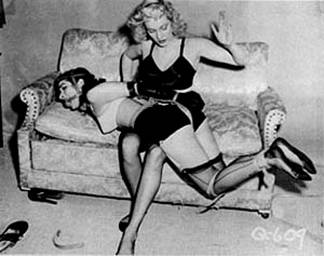
From Bettie Page in the middle of the twentieth century to Dita Von Teese later, fetish models have crossed into wider recognition. Page’s mail-order photographs for Irving Klaw became a template for fetish pictures as pop iconography, and she later appeared in Playboy. On the 1960s British series The Avengers, Honor Blackman came first, then Diana Rigg’s leather catsuits and leotards, and Tara King’s thigh-high boots and leather evening gloves. That costume language reached television. In the new century the SIGNY awards, given from 2000 through 2005 with no award in 2002, named the bondage models collectors still talk about: Eve Ellis, Ashley Renee, Jasmine Sinclair, Jenni Lee, and Jewell Marceau, among others. Their names were already circulating among people who collected rope and restraint photographs before Instagram. The Russian-American performer Mosh and the Canadian latex model Bianca Beauchamp sit on the same range, from classic pin-up bondage to modern latex celebrity.
A strong fetish still does advertising that a paragraph of personal-ad text does not. Latex shine, the geometry of rope, boot height, and how far a corset closes tell a buyer, and someone walking into a scene, which world they are looking at. Designers hire fetish specialists rather than ordinary fashion models because the model has to sell the fetish along with the garment. From Page’s mail-order bondage sets to later latex fame, the job is the same: private kink, a working body, and a camera, sitting beside the artists and the designers in the visual economy of fetish.