
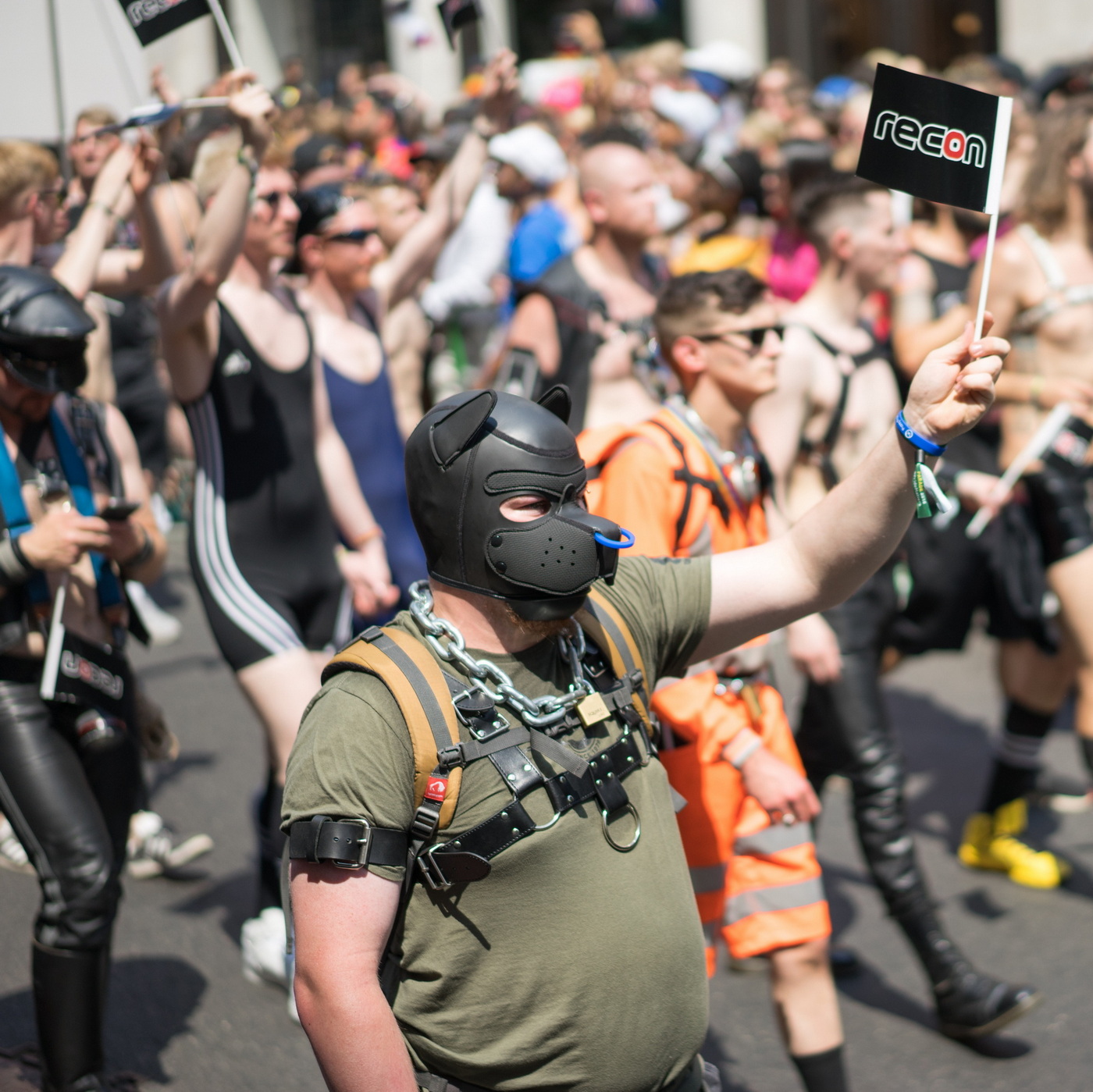
Clothing fetishism is a sexual fixation on a particular garment, a fabric, a uniform, or the look of someone dressed that way. The question at the center is whether the clothes themselves have become the sexual object. Clinical definitions want that stimulus to come back again and again and to dominate sexual gratification. In actual fetish life the range is much wider, from getting hard at stockings to keeping a whole wardrobe of latex, leather, and corsets. Arousal can come from watching a partner dress, from wearing the thing yourself, from touch, from how the restriction works as a whole, or from collecting the clothes or destroying them. Plenty of people wear tight jeans or bright outfits only because they look good. There the clothes are packaging. A fetishist wants the garment. In theory almost any item can be fetishized. Shoes, women’s underwear, and uniforms are the common poles, with a long tail of rarer specialties. The people in this are adults who have agreed to it.
What shows up most
Researchers at the University of Bologna looked at thousands of people in online fetish discussion groups and ranked garment preferences by the size of those groups. Clothes on the legs and buttocks, such as stockings and skirts, sat at the front, then shoes, underwear, and full-body wear such as costumes, coats, and catsuits. Upper-body clothes, jackets and waistcoats, came later. In practice shoes, lingerie, and uniforms dominate. Upper-body communities account for about 9 percent of the online membership. That order matches fetish-fashion floors and the tag clouds on porn sites.
Clothes that limit movement
Fetish dress that sits next to bondage likes clothes that restrict how you move. Corsets are standard kit for professional dominatrices, some for training and some for bondage. A masochistic tightlace uses pressure on breath and organs as pleasure. The risk is real: too tight, and the corset squeezes organs. Do not leave someone alone in a tight corset or a hood. Check on them. In the 1980s Madonna and Cyndi Lauper pushed the corset from underwear out into street clothes, and mainstream fashion and fetish fashion have been trading that silhouette since. The hobble skirt comes from a brief 1910s fashion: long, often to the ankles, so walking turns into small steps. Fetish versions are often latex or PVC, frequently worn with a corset. John Willie and other mid-twentieth-century bondage stylists brought it back as straight restriction theater.
Legs, shoes, and knits
Stocking fetish locks onto sheer nylon or silk on the legs, onto the ritual of putting them on and taking them off, or onto the secrecy of wearing them under trousers. Sock fetish can ignore feet and shoes entirely. What matters is the knit, the length, and the weight. Cohorts split by when they grew up: slouch socks for the late 1980s and early 1990s, short ankle socks for later groups, heavy wool in northern climates. Change the sock weight or the sneaker model and the charge can vanish. Sneaker fetish runs strong in parts of LGBT culture, often tied to athlete fantasy and the smell of a rubber sole. Football boots and particular Nike Air Max models show up there. Swimwear fetish covers living bodies in suits and the large archive of printed and filmed swim images.
Jackets, shorts, and diapers
Jacket fetish often centers on leather or down and can overlap bondage outerwear. Jeans fetish cares about cut: no back pockets, a cut that shows the ass, stretch denim that reads like skin, zip-around jeans, lace-ups, multi-button flies. T-shirt fetish includes the argument over whether wet cotton is its own kink. Shorts fetish covers hotpants, bike shorts, yoga cuts, and basketball shorts. Some of it starts in adolescent peer attraction. Some of it is moving into another gender’s markers. Diaper lovers, often shortened to DL, treat adult diapers as objects, as materials (plastic, cloth, SAP absorbent), or as props tied to excretion, age play, or medical play. The age play here is adults acting. It is not children. Diapers are also central to adult baby play, which is why the umbrella term is AB/DL. DSM-5 treats this as a private preference unless distress or harm is part of it, even when media panics about “diaper fashion.”
Gender markers and uniforms
Some fetishes target markers of masculinity or femininity: suits, basketball shorts, lace, ruffles, florals, embroidery, back closures, pinks. Uniform play is among the most common clothing kinks: doctor, schoolgirl, police, military, nurse, French maid, athlete, waitress, cheerleader, Playboy Bunny, nun’s habit, and others. School uniforms and schoolgirl outfits in a scene are adults in costume. Scene logic often ties the garment to the act. A nurse kit goes with enemas. A cop kit goes with cuffs and cages. Prisoner gear goes with a power script. Real fabric and real insignia deepen the immersion, but cheap costume polyester works if the power script is clear. Impersonating actual emergency or law-enforcement uniforms in public is a separate problem. Be careful with it.
Fur, leather, rubber, and nylon
Fur fetish is arousal at a person in fur, or at the pelts themselves, often framed as a second skin and a superstimulus. Leopold von Sacher-Masoch’s Venus in Furs is the literary landmark, and it is also where the word for masochism comes from. Leather fetish wants smell, creak, shine, and the feel of being held tight. American gay SM in the 1960s is where leather culture got its name. Pony play puts equestrian tack on a human body. Colored glossy finishes add a visual hit, and straps double as restraint. Latex and PVC fetish covers catsuits, hoods, industrial kit, transparent rubber, and body inflation. The glossy black dominatrix catsuit is the global icon. PVC and polyurethane are shiny plastics. They are not latex, though people mix them up, and patent-leather lookalikes blur the line further. Nylon raincoat and nylon jacket fetish often means wearing a piece coded for another gender. Spandex fetish includes leotards, dancewear, gymnastic kits, and superhero fantasy. A full zentai suit, the Japanese word for the whole body, encloses the head and hands for objectification and anonymity. The smooth hand-feel and the mirror look matter as much as the soft bondage of the tightness itself. The swish of nylon windpants, including Adidas and Nike track pants, built a durable online culture in the 1990s. For some people the sound is the switch.
Scenes, clinics, and closets
Clothing fetish feeds fetish-fashion shows, pro-domme wardrobes, leather-bar dress codes, rubber clubs, and porn tagging systems. It overlaps boot worship, glove fetish, pantyhose, underwear specialties, roleplay, and costume tropes in adult comics. Clinical and popular writing still argues over whether desire for fabric is a preference or a paraphilia. DSM-5 draws the practical line at distress or harm. In play, say who wears what, for how long, and who maintains it. Rubber and leather need care. Allergy to latex accelerators is real. A D/s household can make dress a daily rule: no underwear unless permission is given, heels in the house, collar visible. Leather bars and rubber clubs turn the same idea into a community dress code. Forced feminization, sissy dress, suit worship, and pony tack all use garments as the language of rank. Objectification play thrives in zentai and hooded rubber because the person becomes a shape in fabric. Predicament bondage and hobble skirts turn fashion into control of movement. Commercial fetish fashion exists because there is a market for it. Porn-site tags reproduce the University of Bologna ranking. Some collectors keep unworn sneakers or sealed stockings. Others need the clothes on a living body. Both are fetish. A lot of it traces back to adolescent exposure, a school dress code or a sports kit, patterned desire rather than a disorder. A working fetish closet, not a museum, starts with one high-quality restrictive piece you will actually wear, one fabric identity, one uniform that matches the power dynamic, and shoes you can stand in. Care is part of the erotic charge.