
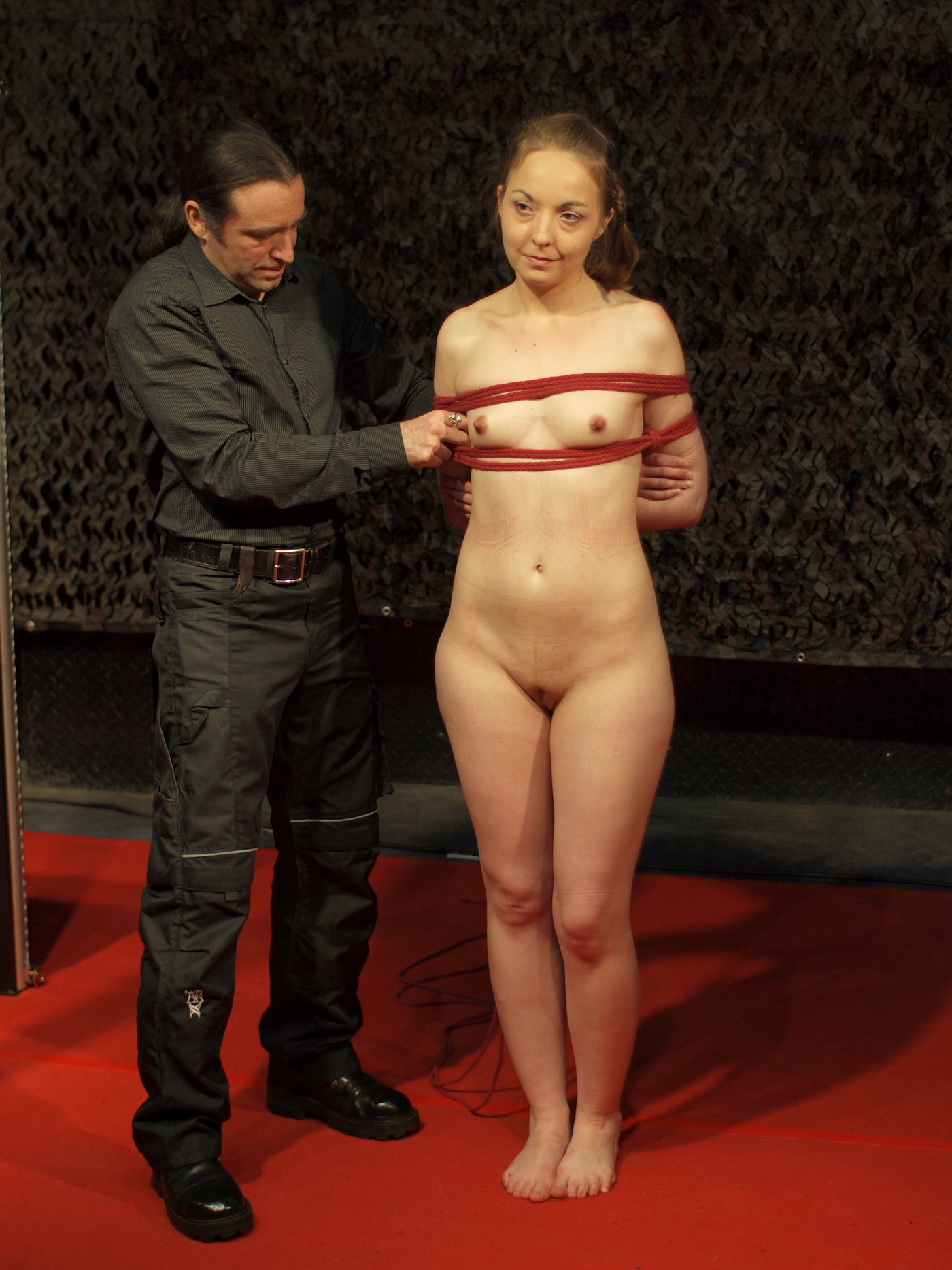
A bondage rigger is a person who practices the art of bondage, using any of a variety of materials such as rope, leather straps, or metal restraints. The work sits at the craft end of tying: planning the tie, running lines, managing tension, and keeping a body safe while it is decorative, helpless, or both. Bondage riggers may participate for several reasons. These include BDSM or dominance/submission play for personal enjoyment; an art form, such as the Japanese bondage styles shibari and kinbaku; or an enterprise for profit, by selling books, videos, or photographs.
Rope bottoms, self-rigging, and RACK
Bondage riggers work with one or more rope bottoms or bondage models. They may also tie themselves, a practice called self-rigging or self-suspension. Some rope bottoms and bondage models are bondage riggers themselves; the roles are not a one-way street. Responsible bondage riggers always follow safety principles such as risk-aware consensual kink (RACK) when rigging. That standard is the difference between a scene that can be walked back and a suspension that becomes an emergency. Rope, leather, and metal all carry different failure modes, which is why RACK sits next to the art talk rather than under it.
Names on the map
Notable examples include Go Arisue (Japan); Damon Pierce, Jeff Gord, John Willie, Lee Harrington, and Midori (United States); Matthias T. J. Grimme (Germany); and Randa Mai (Japan). Adjacent terms include nawashi, bondage pornography, and fetish art. For readers hunting rope education or kinbaku imagery, those names and the RACK rule are the working map: rigger, bottom or self-tie, material choice, and a safety frame that treats bondage as skilled, consensual risk rather than careless decoration.