A basque, in the sense a fetish and lingerie shop means it, is the long corset-bodice: close to the torso, cut past the waist, often finished with suspenders that clip to stockings. The word is French. It started as a name for bodices and jackets with long tails, then for a long corset, always with that contoured, hip-covering line. The original French fashion for long women’s jackets had been taken from Basque traditional dress, which is why the garment carries the name. The useful object here is the modern one — bedroom and fetish wear that reads as a corset without medical-grade shaping.
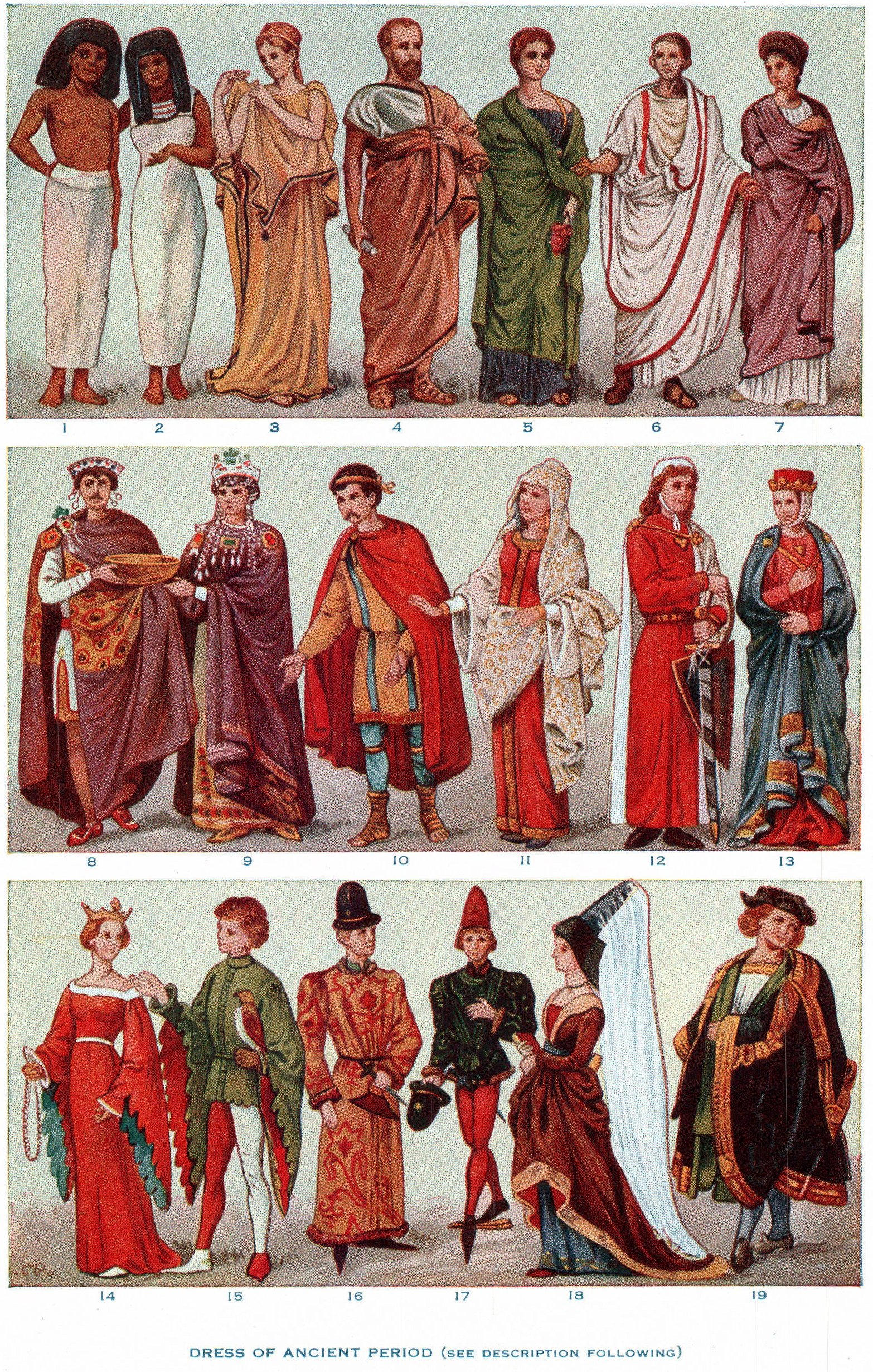
In Victorian fashion, a basque is a closely fitted bodice or jacket that extends past the waistline over the hips. Earlier Victorian wear put it over a hoopskirt; later Victorian wear put it over a bustle. When the same close-cut piece was treated as a dress component, meant to be worn with a specific skirt, it could also be called a “corset waist.” Contemporary English usage has narrowed hard. Today a basque means only a long item of lingerie — in effect a brassiere that continues down and stops around the waist or the top of the hips. The lower part can be purely decorative, or it can carry suspenders (the British word; garters in American shop talk) to attach to stockings, which makes a separate garter belt unnecessary. That clip-to-stocking finish is why the piece shows up so often in fetish and bedroom dressing: hose on the legs, one laced or hooked panel on the torso.
Modern French usage is different. It stays much closer to the historic original and is usually used in the plural. An English lingerie counter and a French fashion page are not pointing at the same object when they say basque. The modern basque is built for allure, not for rib-training. Frilly lace, cutout peekaboo panels, and those stocking suspenders are the usual vocabulary. It looks related to a Victorian-era corset and does not squeeze the ribs the same way. Construction still borrows the hardware language of corsetry: lace-up or hook-and-eye fastening, plus boning or vertical seams for structure and support.
In twentieth-century and current attire, the same term also gets applied to certain lingerie pieces, especially a type of corset called a torsolette — or a torso-hugging camisole that only resembles a corset. The camisole version typically has decorative front or back lace-up, but the construction is more delicate and the compression is little or none. Length is what separates a torsolette from a bustier. The bustier stops sooner. The torsolette / basque keeps going down the torso. In American English the same long piece is sometimes sold as a “merry widow” or “merrywidow.” Across Atlantic listings those three labels — basque, torsolette, merry widow — are often the same silhouette.
Two catalog variations sit next to the standard piece. A soft torsolette is like an elongated bandeau: stretch and suggestion, almost no architecture. A long torsolette is a corselette, the one-piece that keeps travelling toward the hips and sometimes the tops of the thighs. The classic basque sits between them: cups, a boned or seamed midriff, a decorative or suspender hem. It gives the corset silhouette — laces, hip line, stockings — without the full historical compression contract. Worn with hose and nothing else, it is bedroom wear that still reads as equipment: the long Victorian bodice, cut in lace instead of coutil.